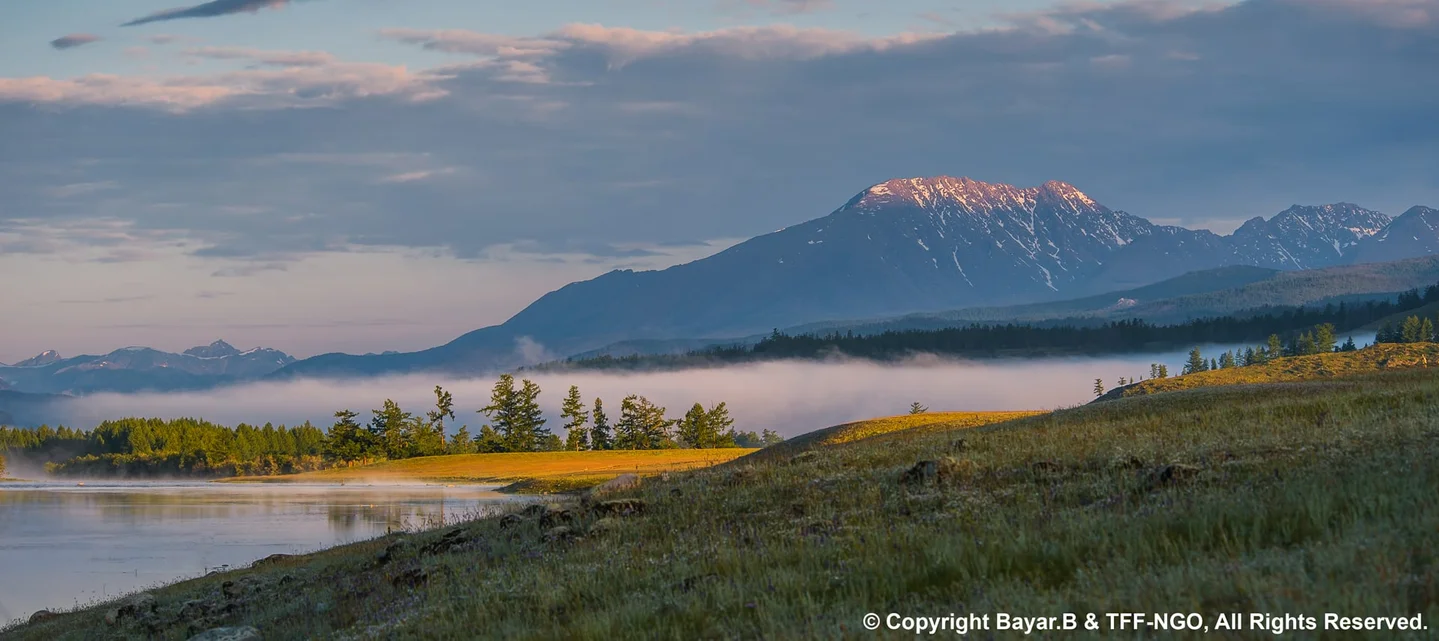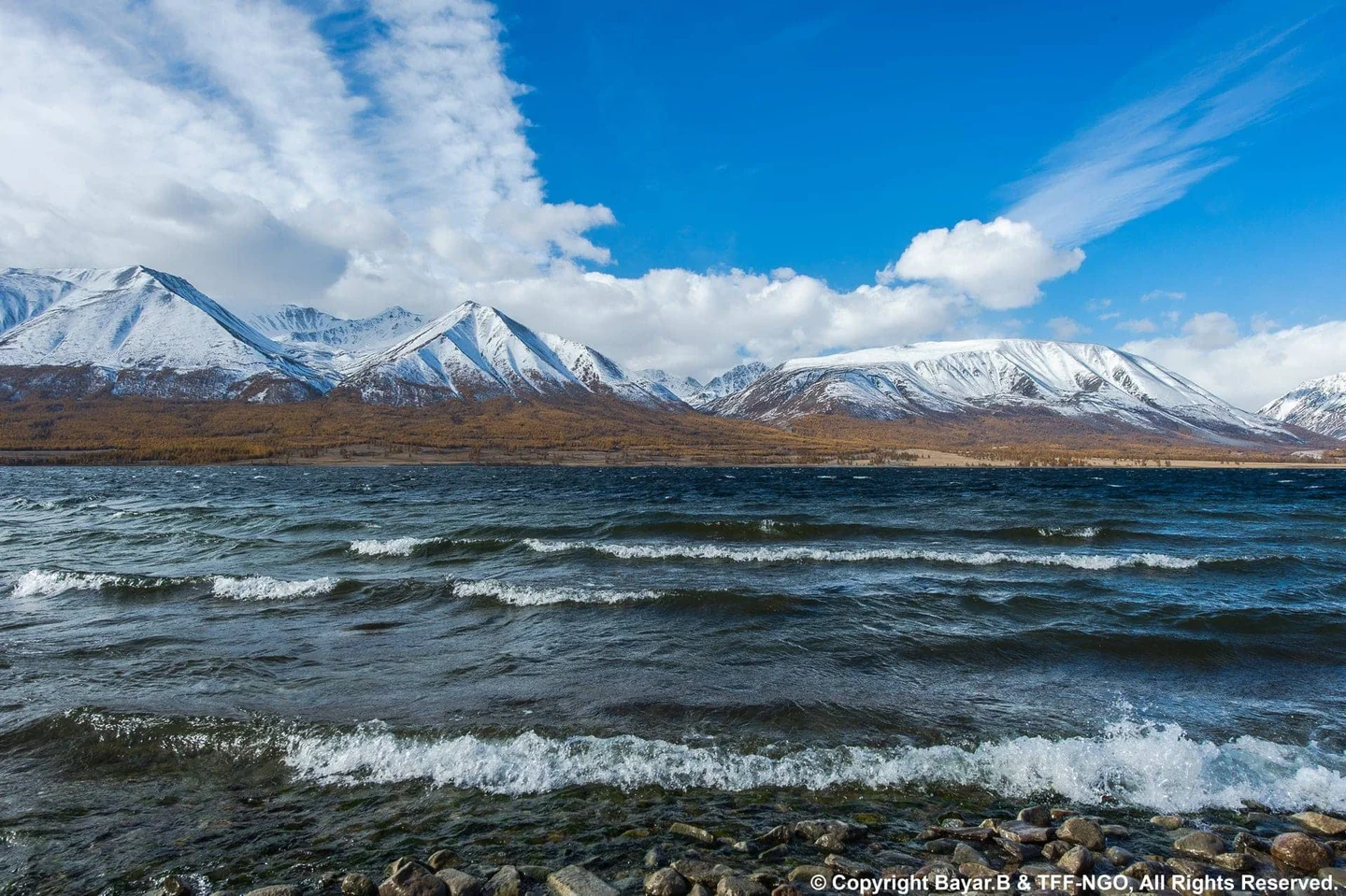
Mongolian herders do not need weather apps. They read the sky the way their ancestors did — in the shape of clouds, the behavior of horses, the color of dawn. Here is what they taught me about paying attention.
On my first morning in the Gobi, a herder named Enkhbold pointed to a cloud formation on the southern horizon and announced, 'Rain by afternoon.' I checked my phone: zero percent chance of precipitation. By three o'clock, we were huddled in a ger while hail drummed against the felt walls. The forecast had not changed.
This is not mystical thinking. Mongolian sky-reading is a sophisticated system of observation accumulated over millennia of nomadic life, where knowing tomorrow's weather could mean the difference between finding pasture and losing half your herd. The herders I met could predict rain three days out with accuracy that would shame a meteorologist.
They taught me the basics. Mare's tail clouds — the wispy cirrus formations that streak across the high atmosphere — mean wind within twenty-four hours. If the sky turns green at sunset, prepare for dust. When horses stand with their tails to the wind, a front is approaching; when they graze with their heads all pointing the same direction, good weather will hold.
The night sky offers even richer text. Mongolian astronomy predates telescopes by centuries. Herders know the seasonal positions of major stars the way farmers know their fields. Polaris is the 'Immortal Star,' the anchor around which the sky rotates. The Milky Way is the 'Silver Road,' and its angle tells you what month it is. In late summer, when the Pleiades rise just before dawn, it is time to begin the autumn migration.
But the true revelation came during a new moon in the northern Dark Sky reserve. The Milky Way was so bright it cast shadows. I watched a herder named Oyun trace constellations I had never learned, naming each one after animals and objects from daily life — the Camel, the Ger, the Saddle. 'The sky is a mirror,' she told me. 'We put our world up there so we never forget who we are.'
Now, back in the city, I find myself looking up more often. The sky feels less like empty space and more like a vast text — one that offers its meanings freely, if only we learn to read. My weather app still lives on my phone, but I rarely open it. Some knowledge is older than satellites, and deeper than data.