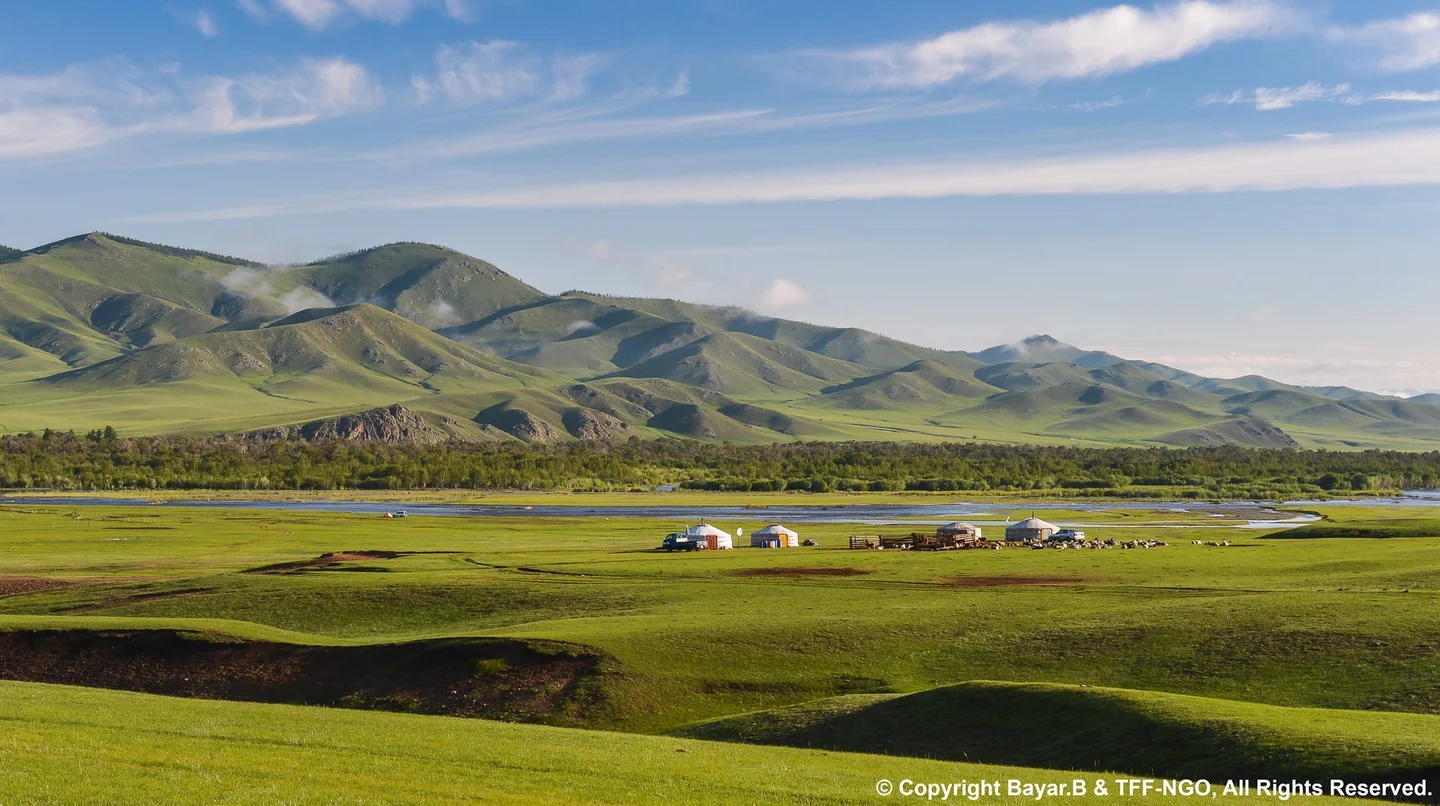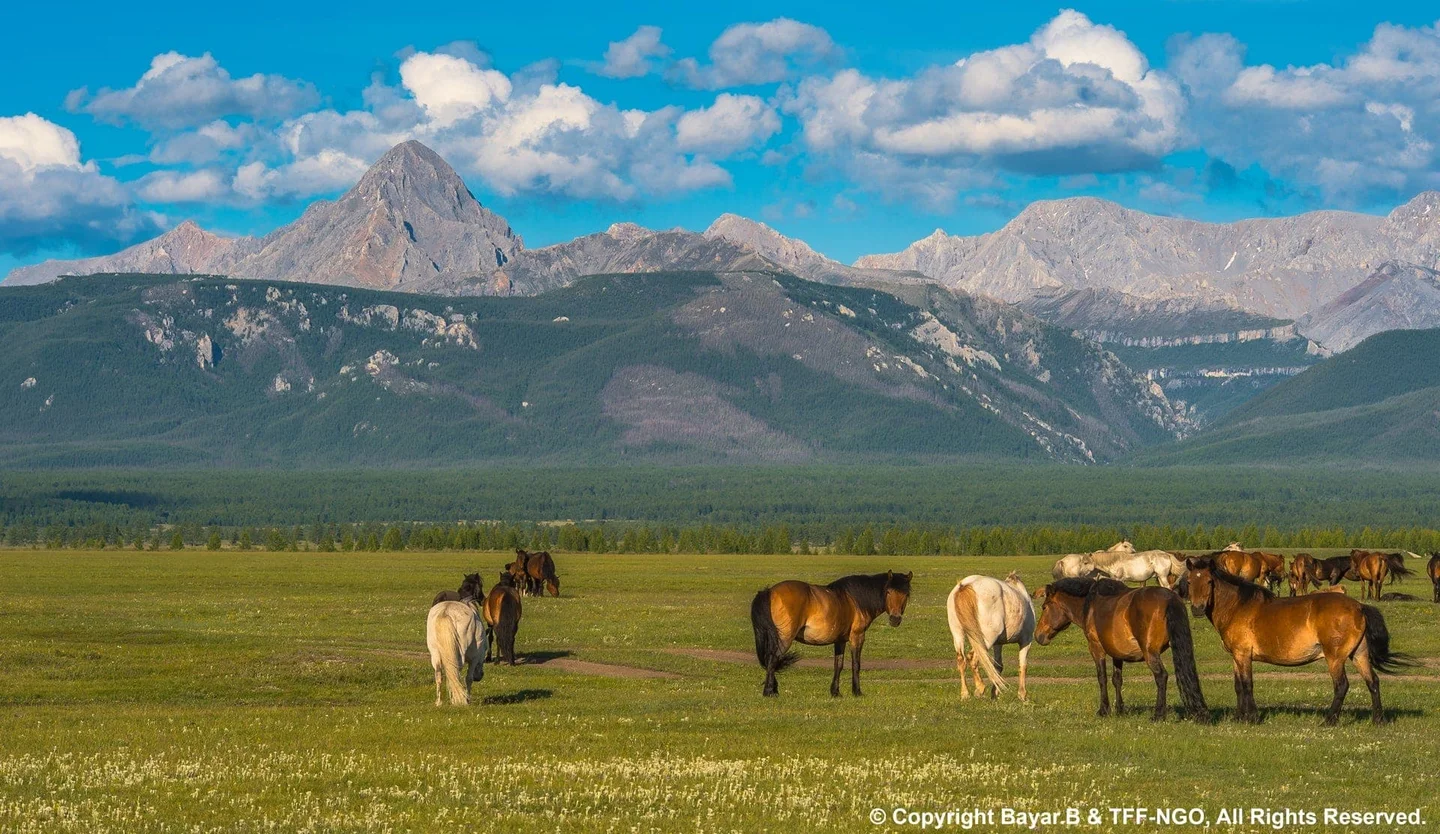
When a herding family invites you to their daughter's wedding, you do not attend as a tourist. You attend as family. Here is what I witnessed at a nomadic wedding in the Orkhon Valley — a ceremony unchanged for centuries.
The invitation arrived on a Tuesday, delivered by a neighbor on a motorcycle: 'My daughter is marrying. Come. Bring your camera but leave your expectations.' I had been staying with the family for only a week, helping with the autumn sheep shearing, but in Mongolia, hospitality operates on a timeline of its own. You are family when they say you are family.
The wedding began at dawn on the first day with a ceremony at the bride's family ger. Elders from both families gathered around the central stove, passing a bowl of fermented mare's milk — airag — while discussing the match in formal, poetic language. The bride, a confident young woman named Altantsetseg, sat in the place of honor, wearing a deep red deel embroidered with gold thread. Her expression was serene, almost regal. Later, she told me she had been in love with the groom since they were children.
The groom's party arrived at midday — ten men on horseback, each carrying gifts of fabric, dried meat, and vodka. They sang as they rode up, traditional songs about loyalty and the steppe. The bride's family pretended to refuse them entry, a ritual negotiation that ended in laughter and the slaughter of a sheep for the feast.
What struck me most was the absence of a single officiant. There was no priest, no government official, no contractual signing. The marriage was validated by community witness — the elders who approved the union, the neighbors who helped prepare the feast, the children who ran between gers carrying messages. It was a social contract in the most literal sense, woven from relationships rather than documents.
The feast itself lasted six hours. We ate boiled mutton, handmade noodles, and a cheese dish that took three days to prepare. Vodka flowed freely, but no one became drunk; the point was communion, not oblivion. A musician played the morin khuur — the horsehead fiddle — and older couples demonstrated the bielgee, a traditional shoulder dance performed while seated.
On the final morning, Altantsetseg rode to her new home on a white horse, her deel billowing in the wind, followed by a caravan of family members each leading a horse loaded with her dowry — handmade rugs, cooking equipment, a new ger. She did not look back. In the steppe, forward motion is the only direction that matters. I stood at the edge of the valley and watched the procession shrink into the vastness, thinking that I had witnessed something most of the world has forgotten: a ritual that actually means what it says.