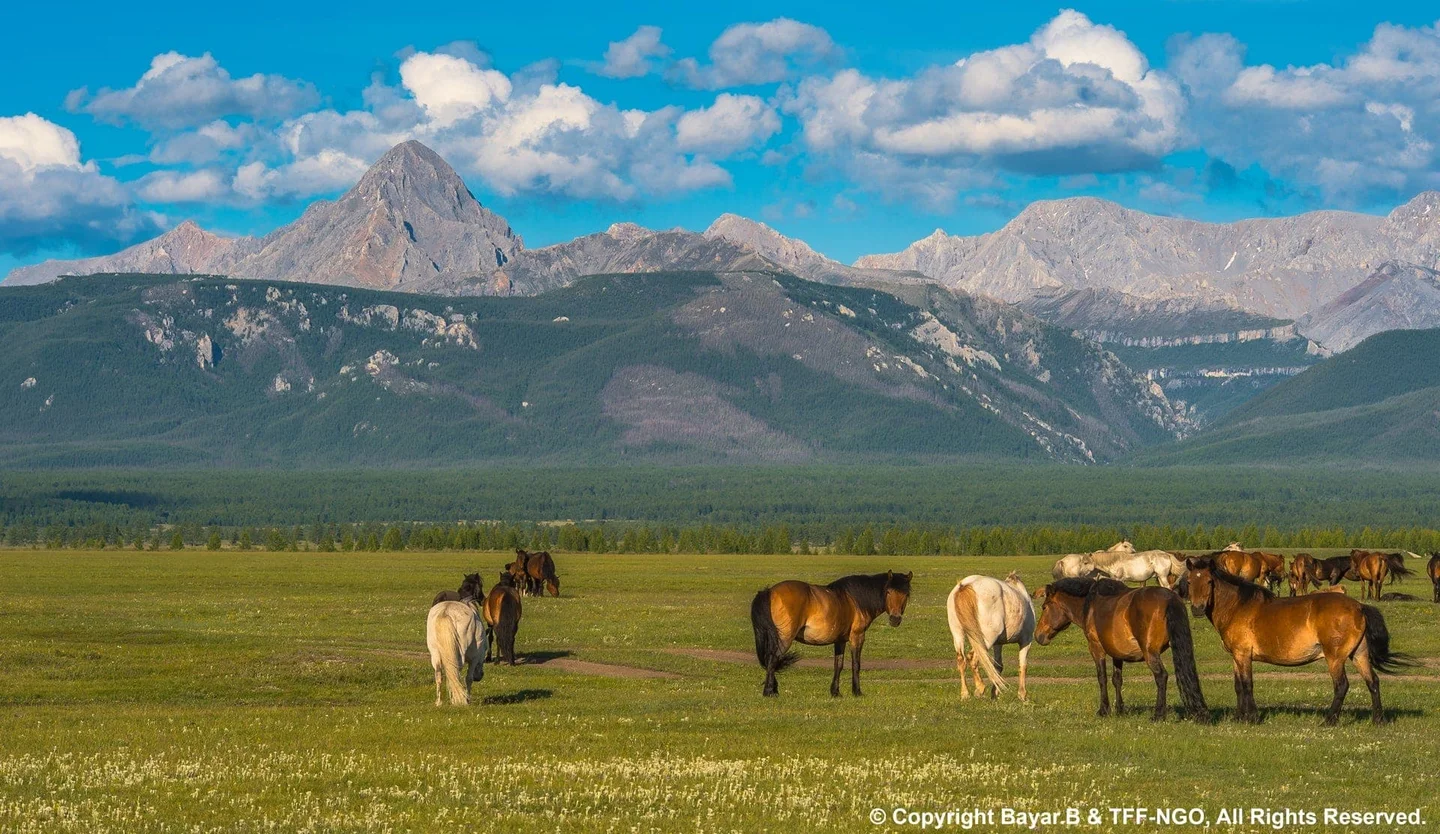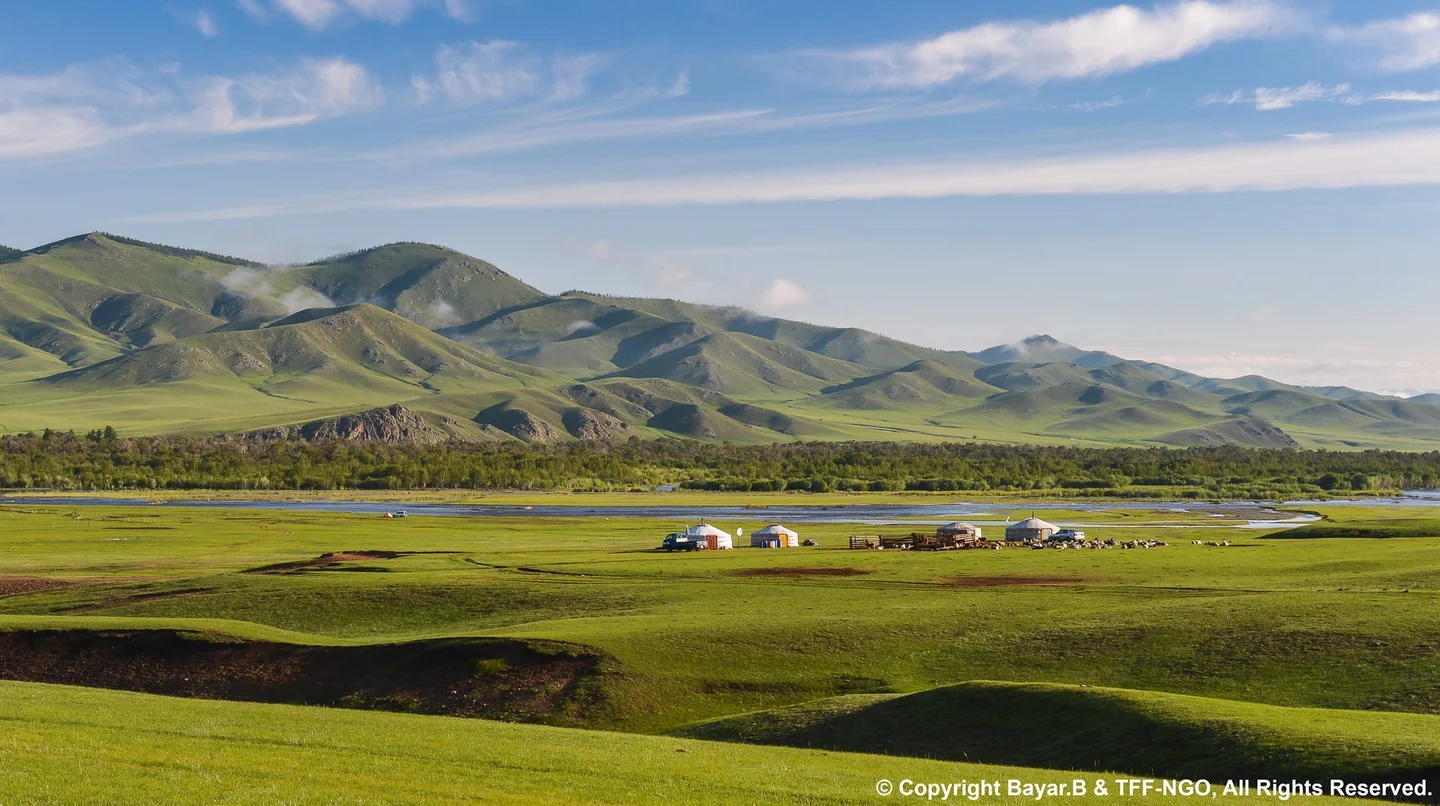
Deep in the Mongolian taiga, where Siberian larch forests give way to snow-capped peaks, the Tsaatan people still follow their reindeer across the seasons. I spent a week with one family, and nothing prepared me for what I found.
The first thing you notice is the silence. Not the absence of sound, but a kind of living hush — the wind moving through larch needles, the soft click of reindeer hooves on granite, the distant cry of an eagle. We had driven six hours from Murun, then ridden horseback for another four, climbing steadily into the Sayan Mountains until the trail disappeared beneath snow.
Bayarsaikhan, the family patriarch, met us at the edge of his camp with a smile that crinkled his weathered face. He wore a traditional deel — the long Mongolian robe — but his boots were modern, rubber-soled, bought in the city. This is the tension of Tsaatan life: ancient traditions sustained by pragmatic adaptations.
The reindeer are not livestock here. They are family members, spiritual companions, the center of a cosmology that predates Buddhism and Islam. Each animal has a name, a personality, a role in the herd's social structure. Bayarsaikhan's granddaughter, a bright-eyed girl of twelve, could identify every one of their forty-three reindeer by the shape of their antlers.
In the evenings, we gathered around a stove burning dried dung — the only fuel available at this altitude — and drank salty milk tea. Bayarsaikhan told stories of his grandfather's time, when the herd numbered in the hundreds and the Tsaatan ranged freely across what is now the Russian border. Today, there are fewer than forty families left. Climate change has altered migration patterns. Young people leave for the city. The reindeer face new diseases.
And yet, there is a stubborn beauty to this life. The Tsaatan have refused to perform their culture for tourists. There are no staged ceremonies, no souvenir stalls. What you receive is genuine hospitality — the same they would offer any traveler who appears at their door. On our last morning, Bayarsaikhan gave me a small carving of a reindeer, whittled from antler. 'So you remember,' he said, 'that some things still exist.'
As we rode down the mountain, I kept turning back. The camp had already vanished into the vastness of the taiga — a few wisps of smoke, the faint outline of teepees against the dark green forest. Out here, the modern world feels like a rumor. And for a few precious days, I was grateful to live inside that rumor's quiet negation.